

Lodi Garden Delhi, India Attractions
Lodi Garden Delhi, India Attractions
The complex also includes beautiful examples of decorative elements, including geometric patterns, calligraphy, and architectural details that reward close examination. The Bara Gumbad, or "Great Dome," is a remarkable architectural complex that includes a tomb, mosque, and mehman khana (guest house), all dating from 1494 during the reign of Sikandar Lodhi. The structure's design influences can be traced in later Mughal architecture, making it an important link in the chain of architectural development in medieval India. Built in 1517, the tomb demonstrates the architectural confidence of the Lodhi period, with its substantial proportions and sophisticated use of materials.
North India
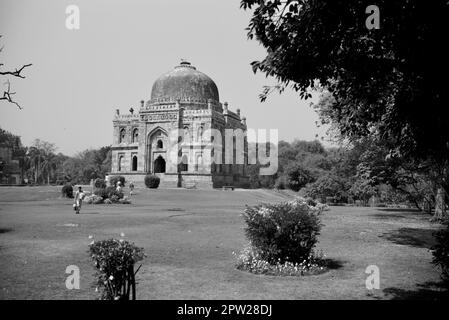
Lodhi Garden is one of the finest structures contributing to the architectural work of Sayyid and Lodi dynasties. Along with a plethora of trees and well-maintained gardens, the place is home to the Tomb of Muhammad Shah, Bada Gumbad, Sheesh Gumbad, Tomb of Sikander Lodhi, and Athpula Bridge. Also, this public park is known for its immense natural beauty, for being a popular picnic spot, and for being a great historical landmark. Humayun Tomb history shows that the monument was built for Humayun by his Persian-born wife, Haji Begum. Humayun Tomb captures the onlooker’s attention at first sight because of its sublime proportion which makes it look like a monument floating above the symmetrical gardens. Inside the Lodhi Garden, there are more than a dozen fabulous Mughal monuments that were constructed in the 15th century.

Spread across 90 acres, this green space is a favorite spot for morning walkers, history lovers, photographers, and tourists. By the end, you’ll have all the information to plan a hassle-free trip to this iconic garden. In this guide, we’ll cover everything you need to know about Lodi Gardens tickets, including pricing, timings, and tips to make the most of your visit.
- The 2026 FIFA World Cup is more than a tournament—it’s a once-in-a-lifetime journey across three nations and sixteen unforgettable cities.
- By the nineteenth century the tombs were occupied by squatters.
- They have beautiful buildings that date back about 500 years and have greenery around them.
- Various community groups use the gardens for organized activities ranging from fitness classes to environmental education programs.
- Lodhi Garden is a great place for photography.
- Apart from the lush greenery that pulls in travellers, there is Athpula Bridge built in the 16th century and National Bonsai Park which are some other major attractions of Lodhi Garden.
Lodhi Gardens Reviews
- Whether you want to enjoy a relaxing picnic, take a morning walk, or explore some fascinating history, Lodi Gardens offers something for everyone.
- After the land passed into the ownership of the Archaeological Survey of India (ASI) the squatters were moved out, with some acrimony, and the land was treated as a public park.
- While exploring Delhi’s tomb architecture, visitors often compare it with the grand Sher Shah Suri Tomb in Bihar, though that monument is separate and not located in Delhi.
- Peacocks strut about with regal grace, their iridescent plumage shimmering in the sunlight, while squirrels frolic among the trees, their playful antics delighting visitors of all ages.
- Lodhi Garden New Delhi known for being an ideal location for picture shoots is bustling with photographers.
The mausoleum stands as an enclosed edifice with a domed entryway and has Mughal architectural designs on its walls. The mausoleum of Sikander Lodi draws inspiration from Mohammed Shah’s tomb. The mausoleum of Mohammed Shah features Islamic and Hindu architectural styles. In 1968, the garden underwent re-landscaping by Joseph Stein, an American architect who also established a glasshouse Lodhi Garden in the garden.
The Lodhi Garden was earlier known as Lady Willingdon Park but after Independence it was renamed as Lodhi Garden. COPYRIGHT 2025 are with -a2z.com. The northern part of the garden has rocks and slopes. One can get to seethe rare species of plants, flowers, trees in this garden. Different cultural programmes are held here like foodfestival, tourism festival in February, and dhandiya festival held at differenttime of the year.

Third, it highlights the garden’s role as a space for everyday social practices and interactions among Delhi’s diverse communities. It applies a three-layered analytical model to explore the garden’s multifaceted identity. The later tomb of Sikandar Lodi seems to have been copied from this Sayyid tomb. Both the Bara Gumbad and the mosque were built in 1494 during the reign of Sikander Lodi, there is also a residence surrounding a central courtyard, where the remains of a water tank can be seen. As there is little architecture dating to the Sayyid and the Lodi periods still standing, Lodi Gardens is an important archaeological site, and is protected by the Archaeological Survey of India (ASI). These monuments date from the late Delhi Sultanate, during the Sayyid dynasty (r. 1414–1451) and Lodi dynasty (r. 1451–1526).
Lodhi Garden location is at the Lodhi road near Lodhi Estate in New Delhi. Yes, for safety, guards are there in the garden and this place is recognized as the safest place in Delhi. Lodhi Garden is easily reachable as it is only 10 km away. Inter-State Bus Terminal is at a distance of 11 km from the Lodhi Garden New Delhi The quickest method to travel to the garden, which is over 18.9 kilometers from the airport, is to grab a cab, which will take almost 19 minutes.
Q: What is the best way to reach Lodi Gardens?
From the metro station, the Lodhi Garden is about 15-minute walk. Other than that you can also choose for metro, the nearest metro station to Lodhi Garden location is the Jor Bagh Metro Station, which is a part of the Yellow line. The scheduled routes may vary so it is recommended to check with Delhi transportcorporation or online bus planner before visiting. Again during the British rule this place was converted into a public park. During the Mughal period the garden underwent several changes in its layout and functionality.
The interior of this mosque is pretty well preserved making it worth visiting. It also has some of the best Squinches that I have seen in Delhi monuments. This mosque with three domes and five arches has a beautiful engraving of geometric designs and Arabic verses in an off-white color. A family seems to be buried in this tomb, which is fairly well preserved from the outside but is totally ignored inside.
There are no reviews yet.